Today, Trey Hart and Jon Davidow stop by the studio to talk about supporting women’s issues and human rights at the Women’s march with an intersectional lens.
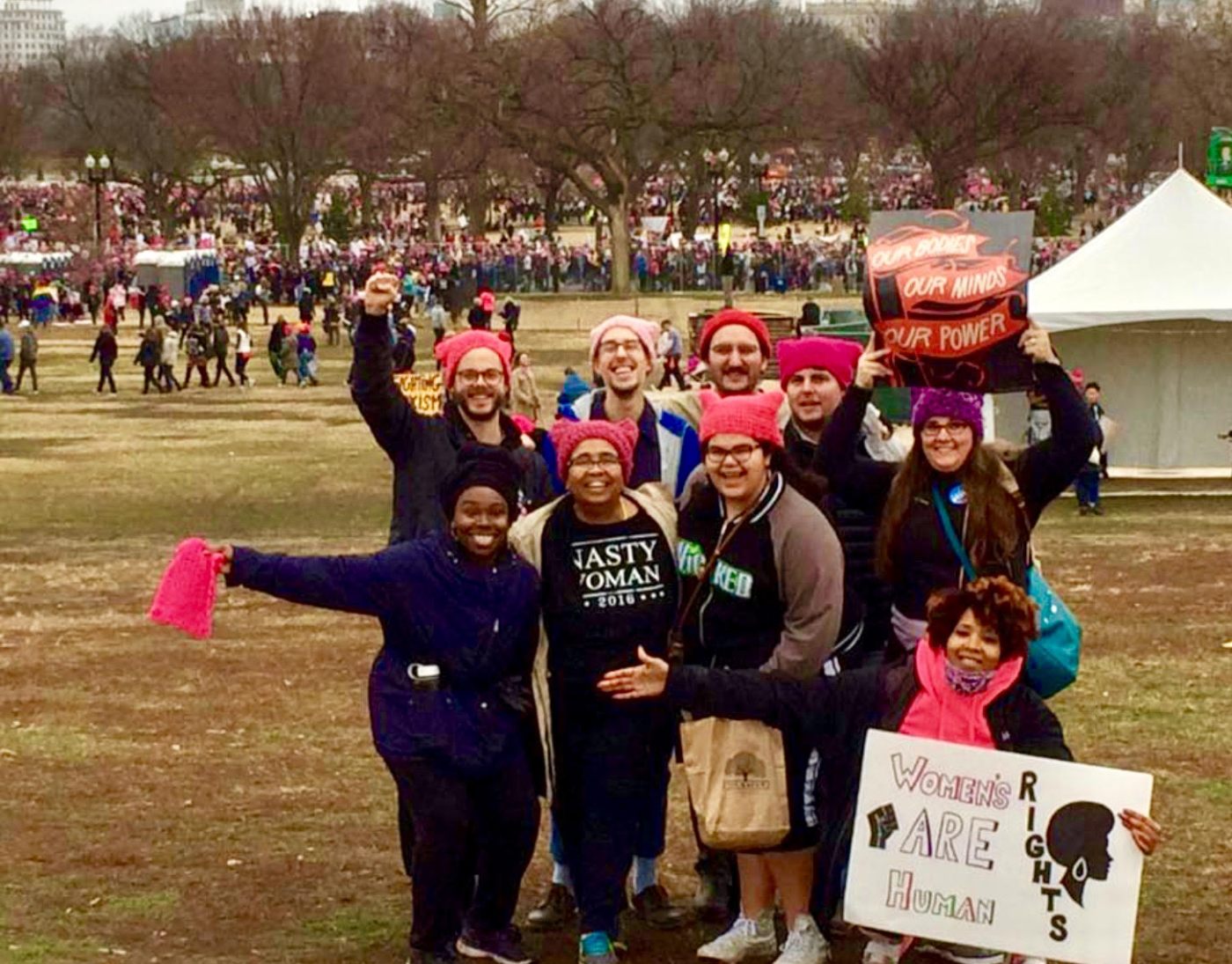
Today, Trey Hart and Jon Davidow stop by the studio to talk about supporting women’s issues and human rights at the Women’s march with an intersectional lens.
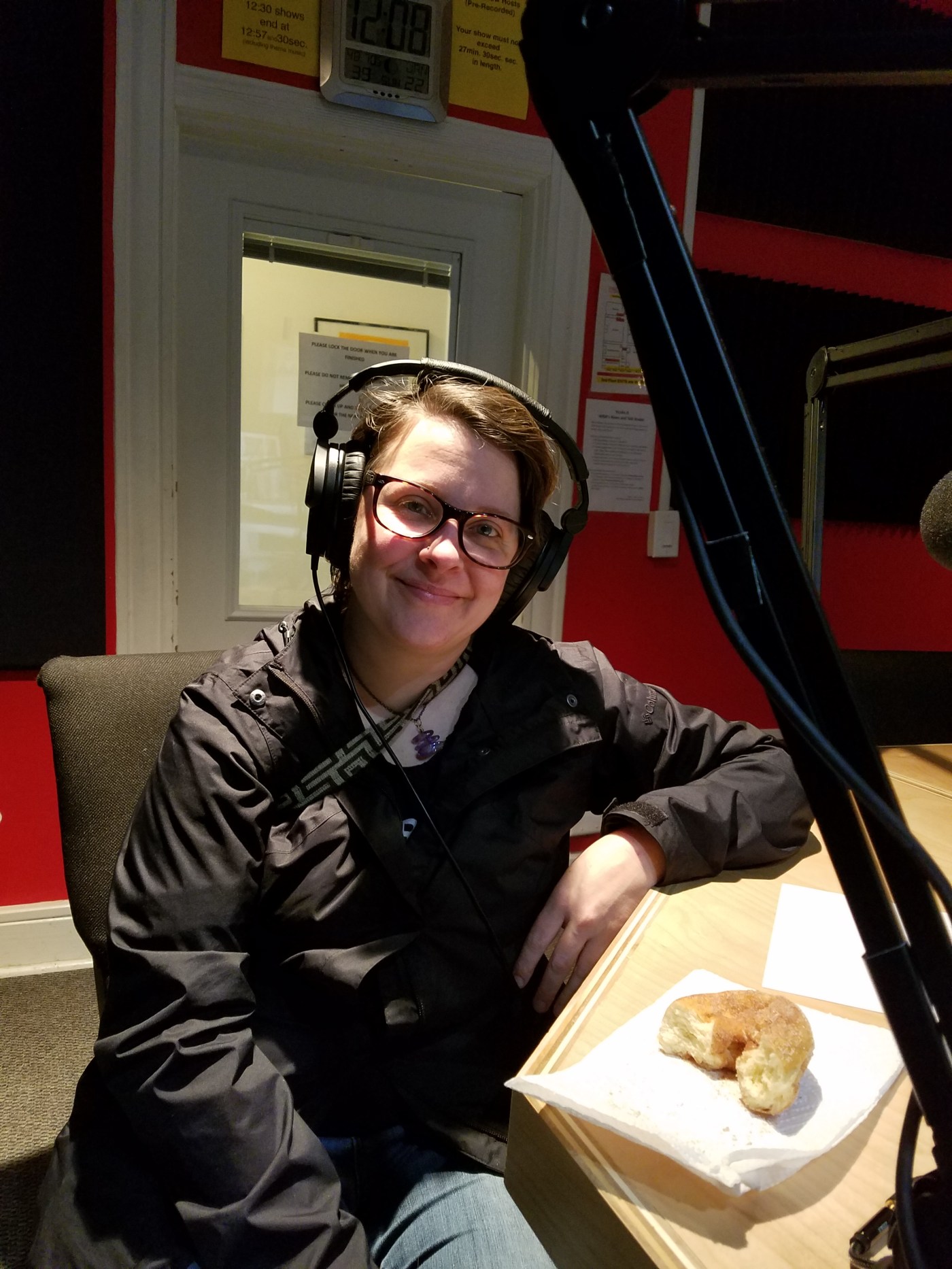
The Women’s March on Washington drew millions to gather in cities around the world on January 21st. They were advocating for human rights: gender equality for women and transgender, the end of racial discrimination and racial equality for all races and ethnic groups, end discrimination for those differently-abled, reproductive rights and the rights of bodily integrity, equal and affordable health-care access for all.
The largest peaceful protest in history .. protesting the current administration’s announced plans to scale back services, to reduce rights, to marginalize and silence.
Women attended, transwomen attended, transmen attended, Queer folks attended, men attended, African-American’s attended, Latinos/x attended, Asian’s attended, young attended, older attended, children attended. People protested in their neighborhoods, in their cities, on social media and flew across timezones to attend.
Here is one of those million voices talking about why she marched:
Want to add your voice, talk about your experience? email: thevword.radio@gmail.com
This report was launched as a result of the implementation of The Missing Peace Symposium on Sexual Violence in Conflict and Post-Conflict settings. The following organisations collaborated to address the issues of conflict-related sexual violence with the goal to identify gaps in knowledge, gaps in reporting, and to identify means to increase effectiveness of response: United States Institute of Peace (USIP); the Human Rights Center at the University of California, Berkeley; the Peace Research Institute Oslo (PRIO); and the Stockholm International Peace Research Institute North America (SIPRI North America).
The authors identify and summarize ten major misconceptions about wartime sexual violence. They go on to highlight not only gaps in knowledge but advances already being made that can be replicated to reduce sexual violence in conflict and create safer communities. Additionally, for policy-makers, their report outlines the implications of these findings for policy-making as a means to correct institutional and state sanctioned patterns of misconduct.
 Carol Olson
 Jenn
Jenn The V Word