The Virginia Sexual and Domestic Violence Action Alliance has started a blog! Check the Alliance in Action and keep up with what the Action Alliance is doing for Virginia in terms of policy and legislation, advocacy and training, prevention, and 24/7 hotline services.

Today Carol reviews the national conversation that took place in 2015 regarding sexual assault.
Links:
Welcome to the V Word, where we talk about sexual and domestic violence, stalking, harassment and trafficking. We talk about what is going on in the community, what resources are available and what changes are happening to end violence.
You can listen to today’s show archive.org or use the player below:
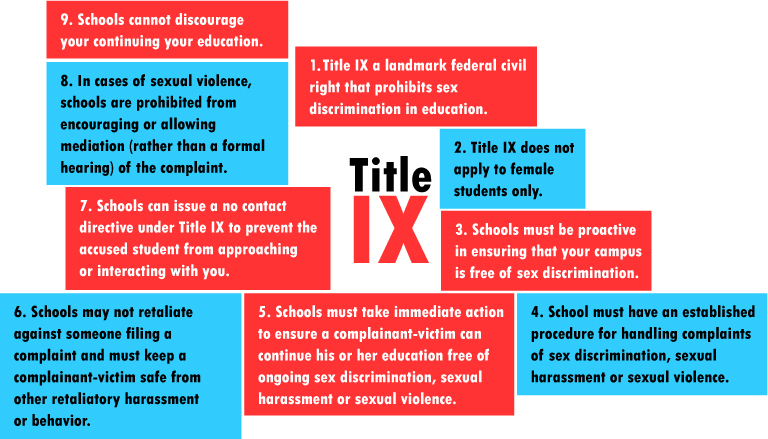
This past year we have talked alot about sexual assault on college campuses, the prevalence, the inability of schools to better protect students, support those who have been assualted and downright misrepresentation of facts. Many states are trying to put into place laws and regulations to help students and schools address campus sexual assault.
One nonprofit: Sexual Health Innovations, has created a new program for use by higher education institutions. This new reporting program is called Callisto and it is designed to allow victims to file reports of sexual assault, harassment and interpersonal violence online. The victim has options, choosing to have the perpetrator reported, to have other victims of the same perpetrator notified and have all records time stamped. The records are private, for use by the victim when they want to further their case.
Multiple studies from colleges, rape crisis centers, and state criminal justice programs show that between 20 percent and 25 percent of women experience sexual assault by the time they graduate from college, but few report it. Of those, according to state records and the Department of Justice, less than 5 percent of reported rapes in college get reported to the criminal justice system. Fewer still are reports of other types of sexual assault.
Are you on a college campus? Check out Callisto and help improve reporting for college campus students. You can help on the state level as well, join your local coalition that supports both rape crisis centers and college campus programs. Here in Virginia, we have the Virginia Sexual and Domestic Violence Action Alliance. They worked with survivors from University of Virginia and Representatives to change legislation to improve response, support services, and reporting of rape on college campuses. As a student or college employee, you can join the Campus Sexual Assault Taskforce, host a bystander intervention program like the Red Flag Campaign, or donate to support the work.
Welcome to the V Word, where we talk about sexual and domestic violence, stalking, harassment and trafficking. We talk about what is going on in the community, what resources are available and what changes are happening to end violence.
or listen here on Archive.org
While American’s were enjoying a holiday weekend, Feminist activists in London were busy protesting budget cuts to domestic violence services. They dyed Trafalgar Square’s fountains red after hundreds of women marched through London’s West End in a noisy protest, chanting: “They cut, we bleed.”
Feminist activists styled their protest much like a funeral procession for the victims of domestic violence.The guardian reported that 500 women attended the protest, which started in Soho Square with a memorial service for women killed this year by domestic violence. The names and ages of victims were read out as protesters stood in silence with their fists raised. Following the memorial, they marched from Soho to Traflagar Square, blocking roads and stopping traffick.
Sarah Kwe, an activist and organizer from Sisters Uncut stated, “These cuts are going to affect women who are trying to flee domestic violence, through their benefits, their housing and their refuges. They are all being cut. We are taking direct action to say we are not going away. When two women a week are being killed by domestic violence, we can’t take it, we can’t accept it.”
Sisters Uncut, organized the protest in reaction to budget cuts announced on the Elimination of Violence Against Women Day, November 25th. Bad timing there, London.
Here in the states, we face the same issue every year. Advocates and activists in each state work hard to convince legislators of the need to keep funding going. You can add your voice to your state coalition to help them advocate for the necessary funds to keep rape crisis centers and domestic violence shelters adequately staffed and functioning.
According to the Virginia Sexual and Domestic Violence Action Alliance, Surivivors of domestic violence who were staying in Virginia shelters responded to the question, “what would you have done inf the shelter had not existed? – 21% said they would have had to return to their abusers.”
Domestic and sexual violence impact our families, homes, communities, schools and workplaces on a daily basis. Domestic violence and sexual assault impact all socio-economic levels, cultures and religions.
The Governor’s office of Virginia, reported in 2012, at least 117 men, women, and children lost their lives to
domestic violence. Also in 2012, there were more than 67,000 calls to domestic and sexual violence hotlines
across the state.
You can listen to the show here

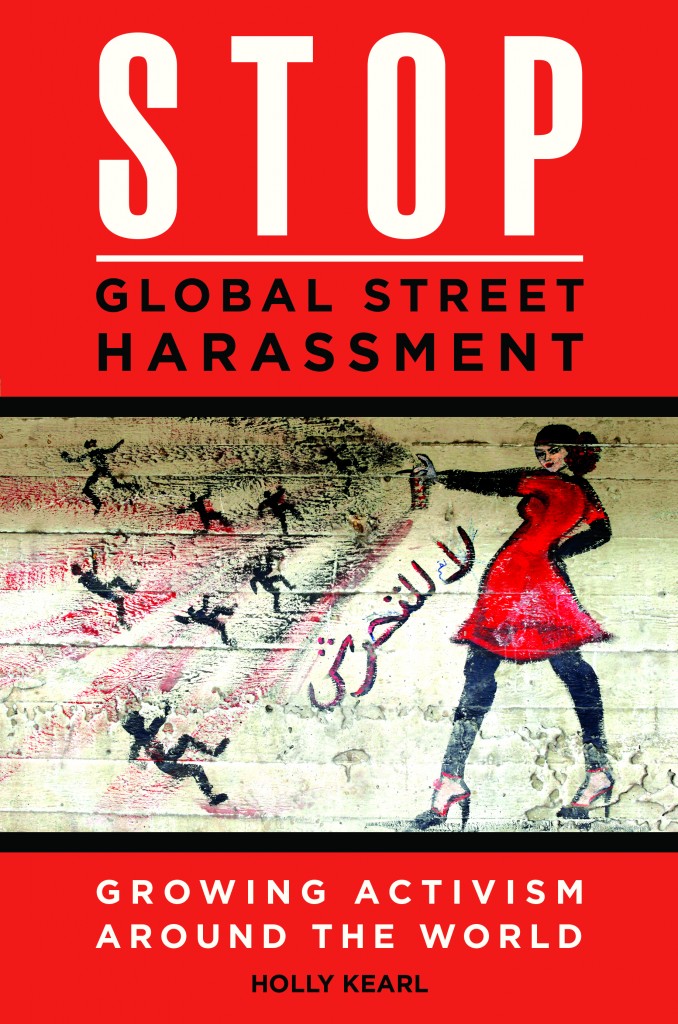
Today Carol reviews Holly Kearl’s new book, Stop Global Street Harassment: Growing Activism Around the World.” It’s her second book on the topic and is on incise and thoughtful examination of street harassment, it’s impact on women, and the growing activism around the world to combat it.
What is the impact that she addresses? Street harassment is linked to or used to restrict equality, by restricting women’s mobility in public spaces and limiting resources and opportunities. Street harassment can escalate from verbal harassment to sexual assault and rape, and murder. Street harassment is traumatizing, as researchers from University of Mary Washington found that who experienced frequent sexual harassment displays signs of trauma and PTSD. Street harassment connects with other issues like racial profiling and police harassment.
How can you get involved? Join a movement to combat street harassment. You can find some projects listed here:
Today Carol talks about the link between sexual assault and addiction.
You can listen to the show here
Links:
Sexual Assault Resources
Virginia Sexual and Domestic Violence Action Alliance
Recovery Resources

 Today, Carol interviews Rose Park and Kate Flom from Advocates for Human Rights about their work to end violence against women around the world.
You can listen to the show here
Links
Carol talks about successful prevention programs in two schools systems.
You can listen to the show here
Need to find a local sexual assault or rape crisis center near your school? Look at the Virginia Sexual and Domestic Violence Action Alliance List of Member Agencies to find local centers.

Basic and Continuing Advocacy Training through the Virginia Sexual and Domestic Violence Action Alliance
Basic and Continuing Advocacy Training offers advocates and staff of Sexual and Domestic Violence Agencies as well as allied professionals and community members a foundation to learn and practice many of the skills necessary to provide effective, trauma-informed responses to survivors of sexual and intimate partner violence. The Basic Advocacy Training (BAT) are scheduled to be held in Richmond, VA, while the Continuing Advocacy Training (CAT) will be held at locations around the Commonwealth of Virginia. If you would like to bring a BAT or CAT to your region, please visit our website and make a request.
All BATs and CATs are $45 and the fee includes materials and lunch.
Don’t forget to use your member discount code when registering.
Not a member? Become one here. The 2015 codes will be provided when memberships are renewed at the beginning of the year. If you have questions about how to receive your member discount, please contact us at training@vsdvalliance.org or get in touch with your staff liaison as assigned.
Upcoming training include:
_____________________________________________________________________________________
Technical Assistance Calls & Webinars

These TA calls are free for member agencies of the Virginia Sexual and Domestic Violence Action Alliance. The calls will be from 10:00 a.m. -11:00 a.m. (unless otherwise noted). Click on the title to register and receive call-in information.
_____________________________________________________________________________________
Training from End Violence Against Women International
|
One of the most common requests we receive is for resources associated with the neurobiology of trauma, and the implications for trauma-informed interviews, investigations, and prosecutions. We would like to take this opportunity to highlight some of the training and technical assistance resources we offer in this area.
Webinar on Neurobiology
 We are delighted to offer a 90-minute webinar given by Dr. Rebecca Campbell on The Neurobiology of Sexual Assault. It is available for free in our webinar archives, so it can be accessed at any time. We are delighted to offer a 90-minute webinar given by Dr. Rebecca Campbell on The Neurobiology of Sexual Assault. It is available for free in our webinar archives, so it can be accessed at any time.Participants will learn about the neurobiology of trauma and its application to victims of sexual assault. By exploring how trauma affects victims’ emotions and behavior, special attention will be given to examining how the brain processes and recalls traumatic events. This will help law enforcement personnel and other professionals recognize how these concepts can be applied to sexual assault investigations and prosecutions – with the goal of improving both victim well-being and case success. Webinars on Victim Interviewing Also available is an archived webinar by Russell Strand, entitled A Paradigm Shift: The Forensic Experiential Trauma Interview (FETI). This webinar provides information on the neurobiology of trauma and the implications for successfully interviewing sexual assault victims. We also have an archived webinar on Effective Victim Interviewing, presented by Roger Canaff and Joanne Archambault. While it does not specifically address the neurobiology of trauma and its implications, valuable guidance is provided for successfully interviewing victims of sexual assault with an eye toward criminal prosecution. Published Articles Dr. Hopper also co-authored an article with Dr. David Lisak, entitled: “Why Rape and Trauma Survivors Have Fragmented and Incomplete Memories.” This article was posted on Time.com, and it also provides a detailed yet accessible explanation of how trauma can impact behavior and memory. The article draws helpful parallels to the scenario where a police officer is “suddenly staring at the wrong end of a gun.” Online Resources
OLTI Module on Victim Interviewing
We offer an OnLine Training Institute (OLTI) module onInterviewing the Victim: Techniques Based on the Realistic Dynamics of Sexual Assault. This module was written in 2007, and although we made updates in 2013 we have not yet incorporated information on the neurobiology of sexual assault and trauma-informed approaches. Nonetheless, we recommend this training module, because it offers hundreds of pages with detailed information on topics such as:
For victims who have a disability, even more detailed guidance is provided in the OLTI module on Successfully Investigating Sexual Assault Against Victims with Disabilities. The only section of the Victim Interviewing module that requires caution at this point is the topic of Cognitive Interviewing. There are certainly some valuable lessons to be learned from that approach, and there is a body of research supporting its use for certain purposes, but we caution that it should not be adopted wholesale for use with sexual assault victims. When we update that module and incorporate information on trauma-informed approaches we will reduce that content and frame its utility in somewhat narrower terms (e.g., recalling specific facts, events, details). |
_____________________________________________________________________________________
Other State and National Training Opportunities
National Children’s Advocacy Center – Virtual Training Center. Various free online training opportunities.
Enhancing the Campus & Community Response to Adult Sexual Assault: A Team Approach. Free. Hosted by the Virginia Department of Criminal Justice Services. Monday, August 31, 2015 – Tuesday, September 1, 2015 — Hampden-Sydney, VA Wednesday, September 2, 2015 – Thursday, September 3, 2015 — Williamsburg, VA
National Sexual Assault Conference. September 2-4, Los Angeles, CA, $475 and up (transportation, lodging, and most meals not included), Hosted by CALCASA, NSVRC, and PCAR {Scholarships available}
reposted from the Virginia Sexual and Domestic Violence Action Alliance and End Violence Against Women International
 Carol Olson
 Jenn
Jenn The V Word